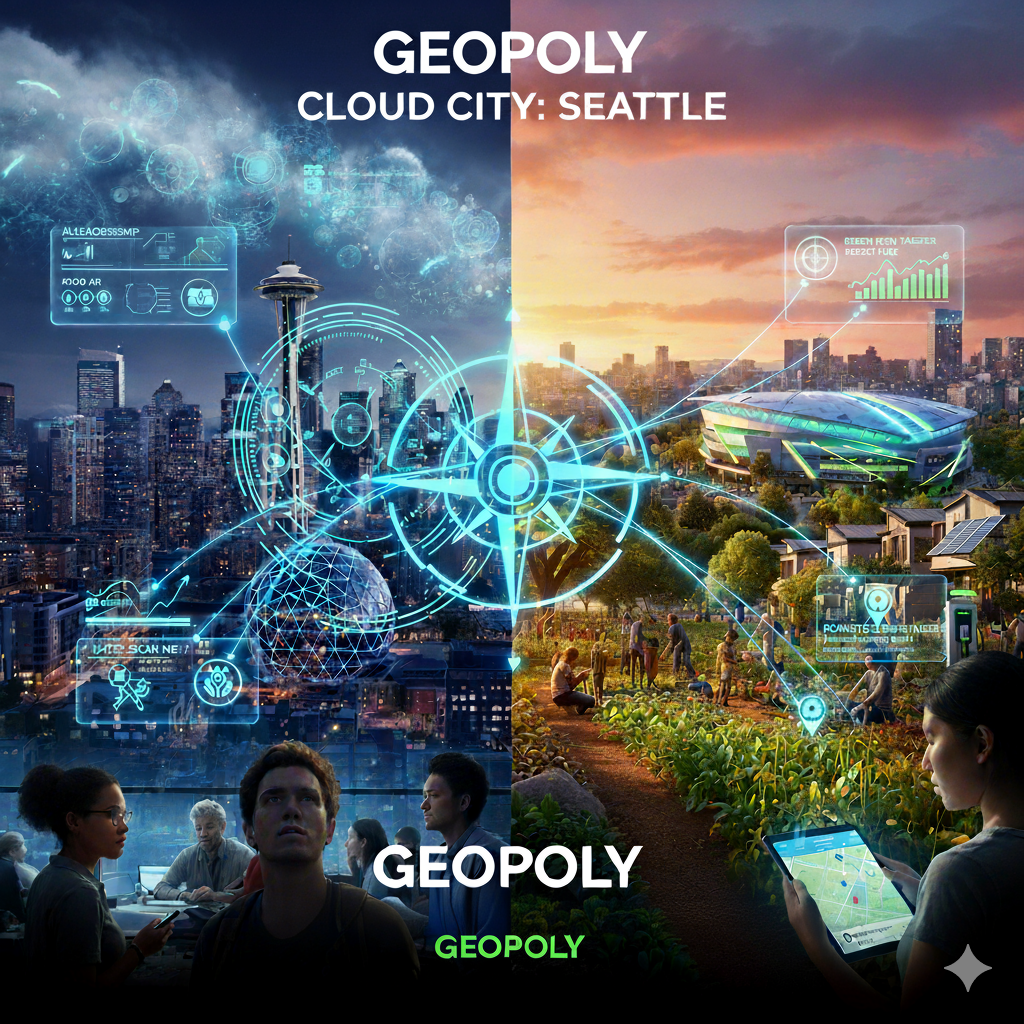

Seattle’s skyline has long been synonymous with technology. From the Space Needle to the glowing logos of Amazon, Microsoft, and countless start-ups, this Pacific Northwest hub has become the testing ground for the future of work, data, and climate tech.
In 2025, Seattle’s innovation narrative is branching in two directions: one digital, one ecological. On the digital front, local firms are at the heart of the global AI race. Microsoft’s Copilot Studio and Amazon’s Bedrock AI platform are accelerating enterprise adoption, while University of Washington’s Paul G. Allen School leads in AI ethics research. At the same time, a wave of smaller start-ups in South Lake Union and Pioneer Square is focusing on “human-scale AI” — tools that augment creative work and urban planning instead of replacing jobs.
Environmentally, Seattle tech is turning green. The Climate Pledge Arena, touted as the world’s first carbon-neutral major stadium, set a precedent for sustainable construction, while new ventures like Carbon Cure Northwest use captured CO₂ to strengthen concrete. Local policy pushes, including the Seattle Clean Tech Fund and EV rebate programs, are helping the city meet its 2030 net-zero targets.
Challenges remain. The influx of wealth has driven housing prices sky-high, testing infrastructure and community trust. Critics warn that “innovation without inclusion” risks repeating Silicon Valley’s mistakes. Still, Seattle’s culture — rooted in civic pragmatism — is showing signs of balance: co-ops, tech-for-good incubators, and hybrid public-private labs working with environmental nonprofits.
For Geopoly users, Seattle offers a glimpse of what’s possible when technology and ecology meet. Pin the offices building climate AI tools, the waterfront parks integrating renewable energy, or the maker spaces teaching kids to code. Every coordinate tells a story of the next generation of innovation.
Seattle is proving that the future isn’t just cloud-based — it’s community-based.