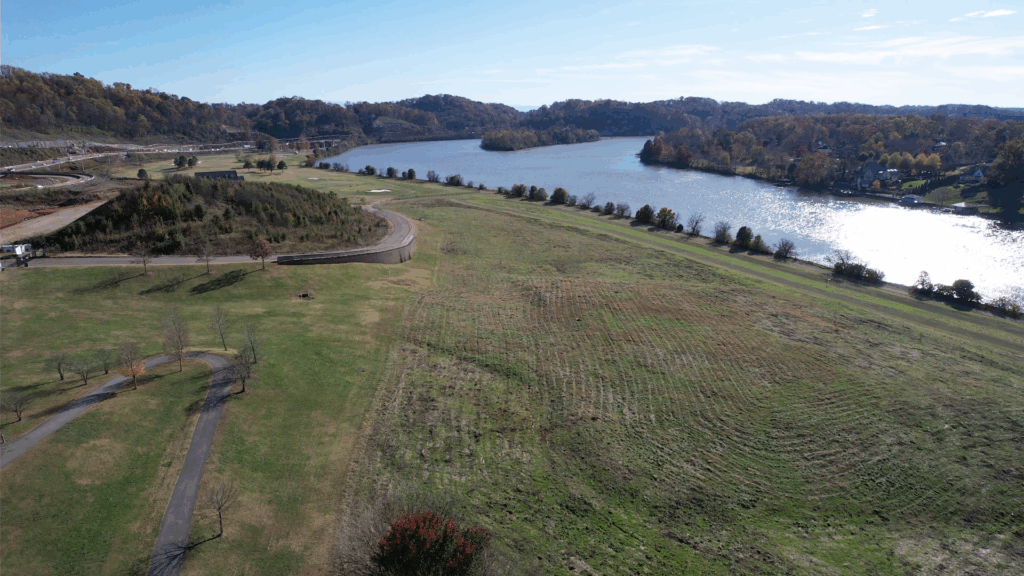

The Tennessee River—one of the most biodiverse waterways in the United States and a defining feature of Knoxville’s landscape—is facing increasing ecological strain. Recent studies from the Tennessee RiverLine, University of Tennessee researchers, and the Tennessee Aquarium Conservation Institute have all highlighted a troubling reality: pollution levels are rising, microplastics are accumulating, and Knoxville sits at the heart of a growing regional crisis.
The Tennessee River has been called the most microplastic-polluted river studied to date. Research from UT Knoxville and the University of Basel found microplastic concentrations reaching up to 16,000 particles per cubic meter, surpassing levels found in even the Rhine River in Europe. These particles come from synthetic clothing fibers, degraded plastics, stormwater runoff, and wastewater discharge—collectively creating a silent but potent ecological threat.
Knoxville’s geography amplifies the problem. As rainfall increases across East Tennessee—up nearly 13% over the last three decades—stormwater runoff carries pollutants directly into the river. Urbanization adds pressure, with construction sediment, oils, fertilizers, and household waste frequently entering the water during heavy rains.
Additionally, the Tennessee Valley Authority’s (TVA) sprawling network of dams slows water flow, allowing pollutants to accumulate rather than disperse. This results in hotspots of sediment-bound contaminants such as PCBs, heavy metals, and legacy industrial chemicals.
Local environmental groups have warned that small communities downstream are feeling the impact. Algal blooms have increased in both frequency and intensity, with documented spikes near Fort Loudoun Lake and Watts Bar Lake. These blooms are fueled by nutrient runoff from lawns, agriculture, and stormwater.
Yet despite the scale of the issue, Knoxville residents remain divided in awareness. Many enjoy the waterfront parks, greenways, and river-based recreation without realizing how quickly the river’s health is deteriorating. But change is happening:
- Knoxville’s Recode Knoxville development initiative now emphasizes stormwater control.
- UT research teams are piloting microplastic capture technologies.
- Local nonprofits are expanding river cleanups and water quality monitoring.
Still, experts caution that individual efforts must be matched by policy action. Tennessee does not currently classify microplastics as regulated contaminants, leaving research groups to fill the data gaps.
Platforms like Geopoly are now stepping in to raise visibility—mapping pollution hotspots, amplifying community voices, and pushing the conversation into the public sphere. The Tennessee River is not just Knoxville’s waterway; it’s a vital artery for the region’s ecology, economy, and cultural identity. Its future depends on the pressure residents and policymakers apply today.
The river’s decline is not inevitable—but the window for meaningful intervention is narrowing. Knoxville must decide if it will lead Tennessee toward cleaner water or remain downstream from its own inaction.